What Is Actually In Dog Food
Plain explanations of the things you find on a label, from the obvious ones to the ones that sound like chemistry. No opinions about whether an ingredient is good or bad, just what it is and what it does in the bag.
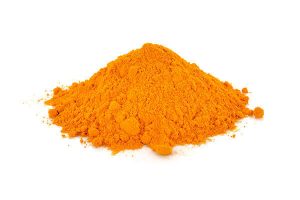
Turmeric Meal
Turmeric root dried and ground into a meal.
Turnip Greens
The leaf of the turnip plant.
USDA Beef
Beef inspected and graded to USDA standards.
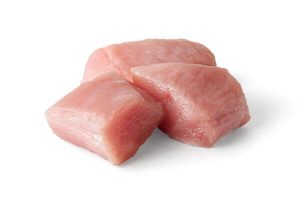
USDA Turkey
Turkey inspected to USDA standards.
Vegetable Broth
The liquid produced by simmering vegetables.
Vegetable Flavoring
A flavoring derived from plant sources.
Vegetable Gum
A plant-derived thickener, without the plant being specified.
Vegetable Oil
Oil from an unspecified plant source, used as an energy and fatty acid source.
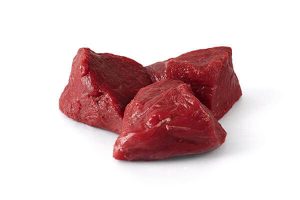
Venison
The clean flesh of deer, used fresh.
Venison Broth
The liquid produced by simmering venison.
Venison by-Products
The parts of the deer left after the flesh is removed, such as organs and trimmings.
Venison Heart
The heart muscle of the deer, a muscle meat rather than an organ.
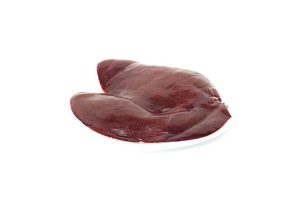
Venison Liver
The liver of the deer, an organ meat used in novel-protein recipes.
Venison Lung
The lung of the deer, an organ meat used in novel-protein recipes.
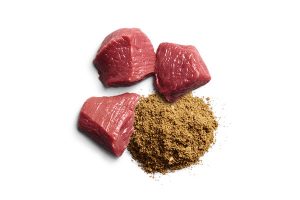
Venison Meal
Venison that has been cooked, dried and ground into a concentrated meal.
Venison Spleen
The spleen of the deer, an organ meat.
Vitamin A
A fat-soluble vitamin essential for vision, immunity and skin.
Vitamin A Acetate
A stable added form of vitamin A.
Vitamin A Palmitate
A stable added form of vitamin A.
Vitamin B1
Vitamin B1, also called thiamine.
Vitamin B12
A B vitamin built around a cobalt atom, found naturally only in animal tissue.
Vitamin B2
Vitamin B2, also called riboflavin.
Vitamin B23
A label variant that does not correspond to any recognized vitamin. Most likely a typographical run-together of vitamins…
Vitamin B3
Vitamin B3, also called niacin, added to meet nutritional requirements.
Vitamin B5
Vitamin B5, also called pantothenic acid.
Vitamin B6
Vitamin B6, also called pyridoxine.
Vitamin C
An antioxidant vitamin that dogs can make for themselves, added as a supplement.
Vitamin D
A fat-soluble vitamin that dogs must get from food, since they cannot make useful amounts in their skin.
Vitamin D2
Vitamin D2, the plant-derived form of vitamin D.
Vitamin D3
The animal-derived form of vitamin D, the form dogs use most efficiently.
Vitamin E
An essential fat-soluble vitamin, added to meet nutritional requirements and to protect fats from going rancid.
Vitamin K
A fat-soluble vitamin, usually added as menadione, needed for blood clotting.
Water
Plain water, used to make the recipe mixable and, in wet food, to fill the can.
Water Buffalo
Meat from the water buffalo, used as an uncommon red meat.
Water For Processing
Water added so the recipe can be mixed, cooked and canned.
Water Sufficient for Processing
Water added to a recipe so it can be mixed, cooked and canned, as distinct from moisture native…